


FOR SAFE LIVING AND WORKING ENVIRONMENTS FREE OF HAZARDOUS SUBSTANCES
SMART REMEDIATION SOLUTIONS FROM PROMETIMPEX
100%
SAFETY
FROM THE IDENTIFICATION OF HAZARDOUS SUBSTANCES TO THEIR DISPOSAL
Hazardous substances such as asbestos pose a risk to human health. They are concealed within a wide variety of material compounds, building structures, and constructions. The remediation of industrial facilities, production sites, office buildings, or residential properties therefore requires highly specialized expertise. Prometimpex has 30 years of experience in the field of pollutant remediation. Thanks to our own professional fleet of equipment and machinery, we are ready for deployment at any time. With up to 50 thoroughly trained specialists, we execute projects of any scale. We remediate individual asbestos-contaminated fire protection seals as well as complex, pollutant-affected industrial plants and real estate assets.
We hold the legally required permits to work for our clients throughout Germany. Our range of expertise covers all common pollutants. We support you from the initial assessment to professional disposal. To this end, we plan an intelligent remediation concept in close coordination with you. This ensures safety for people and restores the operational capability of your property or production plant. Trust a partner who can do more – Prometimpex.
TRGS
519 / 521 / 524 /
511 / 616
Work in accordance with the Technical
Rules for Hazardous Substances of the
Federal Ministry of Labour
and Social Affairs
DGUV
REGULATION
101-004
OUR RANGE OF SERVICES
Inspection
Sampling

Consulting

Customized
Pollutant Management Plan
Implementation
Disposal
Documentation

Secure
Property

Pollutants endanger employees, visitors, and customers. Long-term downtime threatens a company's existence. With perfectly planned remediation processes, we ensure the rapid recommissioning of commercially used properties such as office buildings, retail stores, or storage areas.
Andreas Mika,
Head of Remediation and Insulation
Certified Expert according to TRGS 519
HAZARDOUS SUBSTANCES
HAZARDOUS SUBSTANCES OF VARIOUS KINDS POSE A THREAT TO HUMAN HEALTH AND THE ENVIRONMENT. THEY OCCUR IN A WIDE VARIETY OF FORMS. OFTEN THEY ARE HIDDEN IN COMBINATIONS WITH OTHER MATERIALS AND ARE HARDLY IDENTIFIABLE FOR LAYMEN. THEREFORE, RELY ON OUR EXPERTISE.
ASBESTOS (RIGIDLY
BOUND/LOW-BIOPERSISTENCE
BOUND)
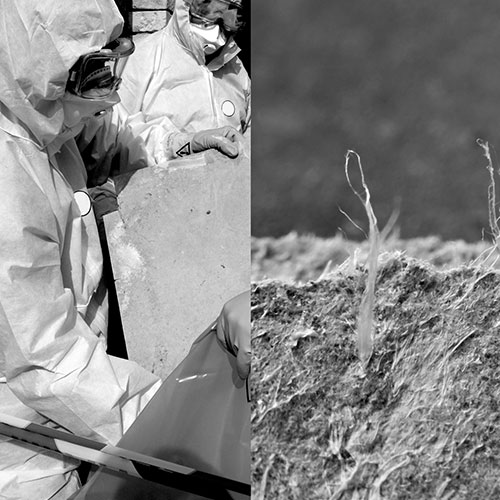
Asbestos is a naturally occurring mineral fiber. It possesses numerous technical properties that are desirable in sectors such as construction and fire protection. Consequently, asbestos was incorporated into a wide variety of forms and structures. Today, the health hazards posed by these fibers are well understood. In 1991, the German legislature banned the use of this carcinogenic material. Since then, the asbestos remediation of contaminated properties has been part of our core service portfolio.
Asbestos can only be identified through the analysis of material samples. Its removal and disposal require extensive expertise as well as an explicit operational permit from the competent regulatory authority. Prometimpex is authorized by the Düsseldorf District Government to remediate all types of asbestos contamination.
There are two types of asbestos: firmly bound and weakly bound. The former is most commonly found in asbestos-cement. It is present in building and installation components such as facades, roofs, and floors. Remediation of the firmly bound form is less critical. This is because the asbestos content is lower—around 10 to 15 percent—and the mineral fibers are largely bonded to the matrix material.
Loosely bound asbestos often accounts for more than 60 percent of the material composition. At the same time, the asbestos fibers are less tightly interwoven with the matrix material. They detach more quickly, making both removal and disposal more difficult. This more critical form of asbestos is frequently found in all types of fire protection measures, as well as in sprayed coatings, building panels,
foams, and fabrics.
HAZARDOUS SUBSTANCES OF VARIOUS KINDS POSE A THREAT TO HUMAN HEALTH AND THE ENVIRONMENT. THEY OCCUR IN A WIDE VARIETY OF FORMS. OFTEN THEY ARE HIDDEN IN COMBINATIONS WITH OTHER MATERIALS AND ARE HARDLY IDENTIFIABLE FOR LAYMEN. THEREFORE, RELY ON OUR EXPERTISE.
PAHs (POLYCYCLIC AROMATIC HYDROCARBONS)
Polycyclic aromatic hydrocarbons are carbon-based organic compounds. Several hundred different types exist, and numerous of these compounds are classified as carcinogenic. PAHs are generated during the combustion processes of carbon-containing raw materials such as coal and crude oil. Consequently, gasworks, coking plants, and similar industrial facilities are frequently contaminated. Through professional remediation of such facilities or plant components, we ensure the restoration of safe working environments.
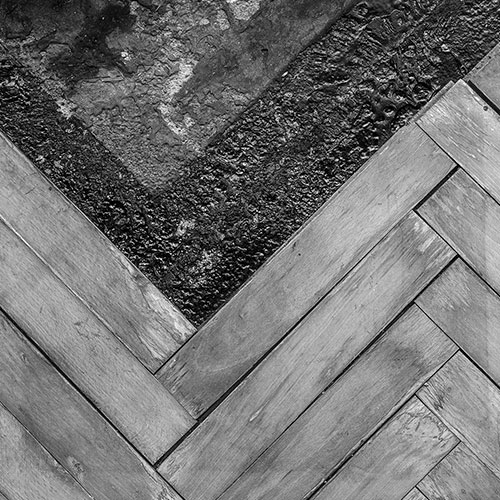
Furthermore, polycyclic aromatic hydrocarbons are found in many refinery products, such as tar. These contaminated products were used, among other applications, in road construction. Tar specifically was utilized for roof insulation and the impregnation of wood and metal. In indoor areas, wooden floors were historically laid using PAH-containing adhesives. Like many other pollutants, PAHs often bind tightly with other materials, making their identification and remediation a task for professional remediation specialists like Prometimpex.
HAZARDOUS SUBSTANCES OF VARIOUS KINDS POSE A THREAT TO HUMAN HEALTH AND THE ENVIRONMENT. THEY OCCUR IN A WIDE VARIETY OF FORMS. OFTEN THEY ARE HIDDEN IN COMBINATIONS WITH OTHER MATERIALS AND ARE HARDLY IDENTIFIABLE FOR LAYMEN. THEREFORE, RELY ON OUR EXPERTISE.
PCBs (POLYCHLORINATED BIPHENYLS)
Polychlorinated biphenyls are organic chlorine compounds that can be absorbed by the human body simply through skin contact. Chemically, they are similar to the better-known dioxins and are considered equally toxic and carcinogenic. The greatest danger lies in their chronic toxicity, because PCBs are hardly broken down naturally.
These compounds are chemically extremely stable. They are flame-retardant and do not conduct electricity. These properties led to the use of PCBs in capacitors, as well as in joint sealants in concrete construction. This pollutant is found particularly frequently in so-called prefabricated buildings from the second half of the 20th century. In addition, various coatings such as paints and varnishes—especially flame retardants, insulation materials, and adhesives—contain polychlorinated biphenyls as a component.
As a trusted partner, Prometimpex not only handles the legally required reporting of PCB contamination findings, but also manages their disposal at one of the few hazardous waste incineration facilities that guarantee the complete destruction of these highly dangerous chlorinated compounds.
HAZARDOUS SUBSTANCES OF VARIOUS KINDS POSE A THREAT TO HUMAN HEALTH AND THE ENVIRONMENT. THEY OCCUR IN A WIDE VARIETY OF FORMS. OFTEN THEY ARE HIDDEN IN COMBINATIONS WITH OTHER MATERIALS AND ARE HARDLY IDENTIFIABLE FOR LAYMEN. THEREFORE, RELY ON OUR EXPERTISE.
MMFs (MAN-MADE MINERAL FIBERS)
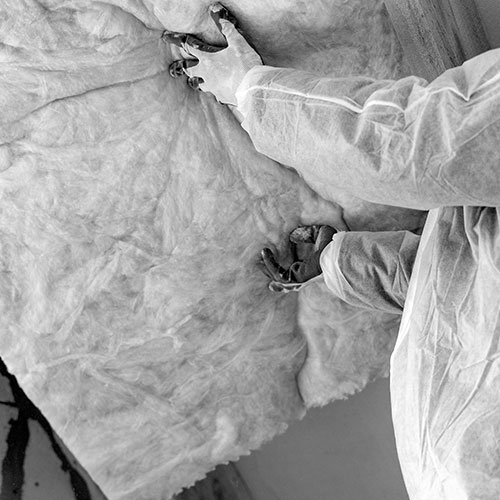
The general public also knows synthetic mineral fibers as glass wool, rock wool, and mineral wool. Some of these fibers have properties similar to those of naturally occurring asbestos fibers. Consequently, synthetic mineral fibers are frequently used in fire-resistant construction. In addition, they are used for thermal, cold, and sound insulation in roofs, ceilings, and walls, as well as for insulating pipes. The material is usually used in the form of mats and custom-cut shapes; it is less commonly used as loose fill.
Not all mineral fibers pose a risk. So-called respirable fiber forms, which can cause cancer, were produced until the early 2000s. Whether man-made mineral fibers pose a risk depends, on the one hand, on the length and thickness of the fibers and, on the other hand, on their biodegradability. Identifying harmful fiber forms requires analysis using a scanning electron microscope.
When the fibers are handled professionally—for example, as attic insulation behind sheeting—the risk is minimal. Hazards to people usually arise during construction work. Prometimpex helps you with the analysis, handles the remediation and disposal, and provides the disposal certification you need.
HAZARDOUS SUBSTANCES OF VARIOUS KINDS POSE A THREAT TO HUMAN HEALTH AND THE ENVIRONMENT. THEY OCCUR IN A WIDE VARIETY OF FORMS. OFTEN THEY ARE HIDDEN IN COMBINATIONS WITH OTHER MATERIALS AND ARE HARDLY IDENTIFIABLE FOR LAYMEN. THEREFORE, RELY ON OUR EXPERTISE.
ORGANIC POLLUTANTS
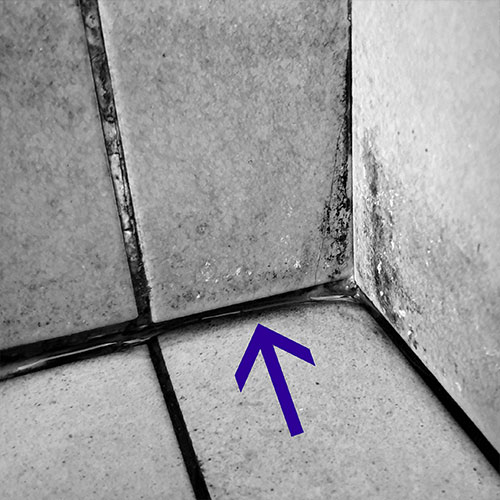
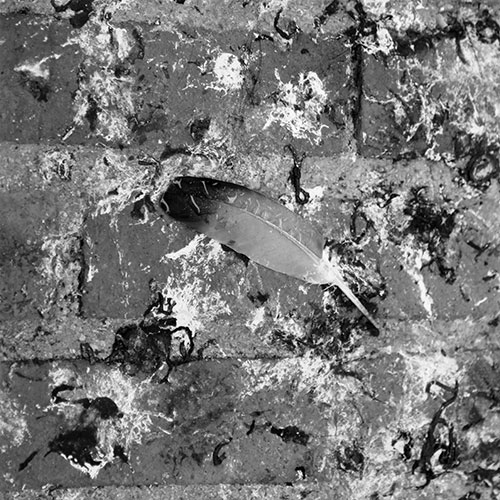
Health risks do not arise exclusively from industrially manufactured chemicals. Organic contaminants, such as mold or bird droppings, are also often found in buildings and real estate. These substances not only threaten the structural integrity of buildings, but also pose a danger to the environment and human health.
For example, pigeon droppings contain various pathogens and parasites, such as salmonella, cryptococci, and chlamydia, which can cause pneumonia or meningitis when inhaled. Mold grows on damp, organic building materials and interior finishes. Its spores are less dangerous to healthy people; however, they can still cause infectious diseases.
Organic contaminants can usually be identified even by non-experts. However, the removal and disposal of large-scale contamination should be left to professional remediation specialists such as Prometimpex.
FROM PRACTICE